 Sunflower

Powdery Mildew of Sunflower
Golovinomyces cichoracearum
Fungus


In a Nutshell
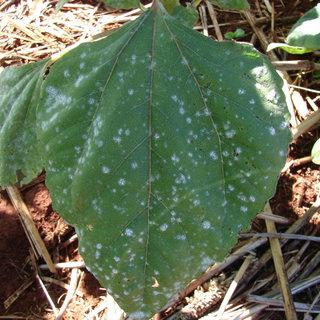
- White powdery patches on the surface of leaves and stems. Affected leaves may turn yellow and dry out over time.
Can also be found in
Sunflower
Symptoms
Appear as white, powdery spots first on the upper surface of lower, older leaves. Spots gradually expand and cover the entire leaf surface. The powder-like coating can also develop on stems and leaf undersides in severe cases. Affected leaves turn yellow, then brown, and may die. Heavily infected plants may show reduced vigour and early senescence. Tiny dark round structures may appear within the white patches in later stages of infection.
Recommendations

Organic Control
Biocontrol agents such as Trichoderma species and Bacillus subtilis, sulphur-based products, potassium bicarbonate solutions or neem oil sprays may help when applied early.

Chemical Control
Always consider an integrated approach using preventive measures alongside biological or environmentally friendly treatments. Fungicides are most effective when applied preventively or at the first sign of disease. Ensure good canopy coverage when spraying, as the pathogen spreads quickly across the plant. Rotate between fungicide groups to reduce the risk of resistance development.
What caused it?
Unlike most fungal diseases, it thrives in warm, dry conditions with low humidity. Warm days and cool nights favour the spread. It spreads easily through the air. The fungus does not need water on the leaf surface to infect. It survives off-season on infected plant debris and wild host plants such as wild sunflower. Dense canopies with poor air circulation increase the risk of infection.
Preventive Measures
- Use certified seed and varieties with improved tolerance or resistance Avoid dense planting to improve air circulation. Rotate with non-host crops. Remove and destroy infected plant debris after harvest. Avoid excessive nitrogen fertilisation. Scout regularly checking lower leaves first for early white patches.
Share


More problems onSunflower
Download Plantix
